

यह लेख अभी अंग्रेज़ी में उपलब्ध है।
Polytechnic Diploma After 10th: Branches, Admission and Lateral Entry to B.Tech
A simple guide to the polytechnic diploma after Class 10 — what it is, which branch to pick, how admission works in your state, jobs after the diploma and lateral entry into B.Tech.
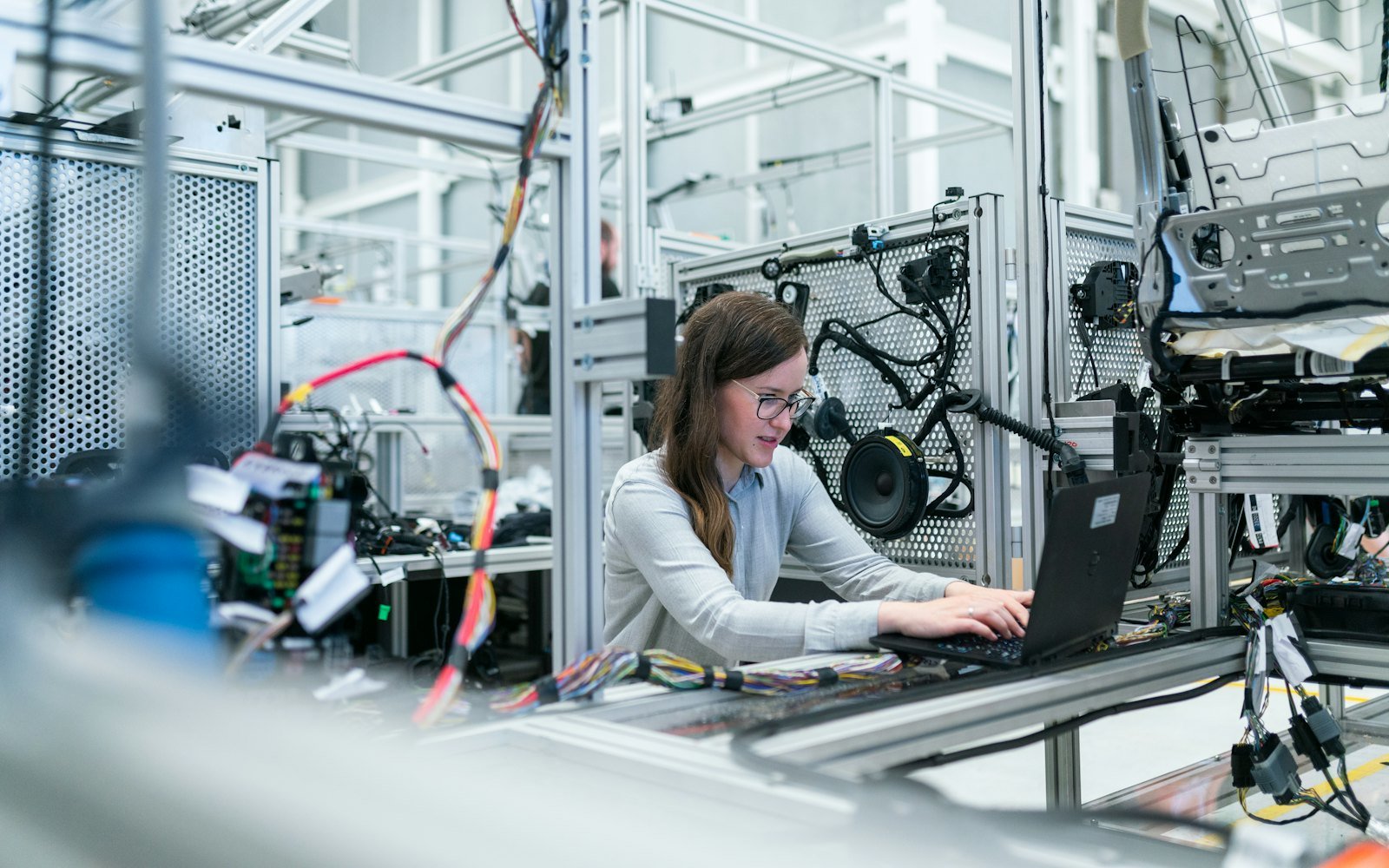
Not every student wants to spend two more years in school before choosing a career. If you like machines, electricity, computers or building things, a polytechnic diploma after 10th can be a smart move. It is practical, usually affordable in government colleges, and can lead straight to a job — or into the second year of a B.Tech later.
This guide explains what a polytechnic diploma is, the main branches, how admission works, and what you can do after finishing.
What is a polytechnic diploma?
A polytechnic diploma is a three-year course in engineering or technology that you can join after Class 10. You study in a polytechnic college, which can be government, government-aided or private. The course is more hands-on than a degree: you spend a lot of time in workshops and labs, and many programmes include industrial training.
Diploma programmes are approved by the All India Council for Technical Education (AICTE), and the exams and certificates are usually handled by your state's Board of Technical Education. Before joining any private college, check that it is AICTE-approved and affiliated to the state board.
See our Polytechnic Diploma course page for a quick summary.
Polytechnic diploma after 10th vs Class 11–12
| Polytechnic diploma | Class 11–12 (Science) | |
|---|---|---|
| Duration | 3 years | 2 years, then a degree |
| Style | Practical, workshop-based | Mostly theory and board exams |
| Job-ready after | About 3 years | Usually after a degree |
| Path to B.Tech | Lateral entry into 2nd year | Entrance exams like JEE Main |
| Best for | Students who enjoy hands-on work | Students aiming for medicine, IITs or pure science |
Neither path is "better". The diploma suits students who learn best by doing and want an earlier start. If you are still deciding, our guide on choosing a stream after Class 10 may help.
Popular polytechnic branches
Most polytechnics offer some of these branches:
- Civil Engineering — buildings, roads, surveying and site work
- Mechanical Engineering — machines, manufacturing and maintenance
- Electrical Engineering — power systems, wiring and electrical equipment
- Electronics / Electronics & Communication — circuits, devices and telecom
- Computer Science / IT — programming, networking and hardware
- Automobile Engineering — vehicles and service workshops
- Chemical, Textile and Fashion-related branches in some states
- Pharmacy (D.Pharm) — note that D.Pharm usually needs Class 12, not Class 10
How to pick a branch: choose the subject you would happily work on every day, then check which branches have good local industry. Electrical and mechanical diplomas are useful almost everywhere. Computer diplomas suit students who want to move into IT.
Eligibility for a polytechnic diploma after 10th
- You must have passed Class 10 from a recognised board.
- Most states want Maths and Science in Class 10.
- The minimum marks needed differ from state to state, so check your state's information bulletin.
- Some states also allow Class 12 or ITI pass students to join directly in the second year (also called lateral entry to the diploma).
How admission works
Each state runs its own admission process. Broadly, there are two routes:
1. State entrance exam
Many states hold a polytechnic entrance test, then run counselling where you choose colleges and branches by rank. For example:
- Uttar Pradesh: the state exam is run by the Joint Entrance Examination Council, Uttar Pradesh (JEECUP) for government and private polytechnics in UP.
- Uttarakhand: the Uttarakhand Board of Technical Education conducts the JEEP entrance for polytechnic diplomas in the state. For some courses, the board may admit on qualifying-exam merit instead, so read the current year's notice.
- Bihar: polytechnic admissions are handled through the Bihar Combined Entrance Competitive Examination Board.
2. Merit-based admission
Some states and private colleges admit students on Class 10 marks alone, sometimes through an online counselling portal.
Tip: application windows usually open in the first half of the year, often soon after board exams. Dates change every year, so follow your state board's official website closely.
Fees: what to expect
Fees vary widely between states and between government and private colleges. Government polytechnics usually charge much lower fees than private ones, and many states offer fee waivers or scholarships for eligible students. Rather than trusting a number on a random website, check the official fee notice on your state board's or college's website before you apply.
Diploma students can also apply for scholarships such as AICTE Pragati for girls, AICTE Saksham for specially-abled students, and the LIC Golden Jubilee scholarship, subject to their rules. In Uttarakhand, state schemes like the Uttarakhand Post-Matric scholarship for SC students may also apply. See all options on our scholarships page.
What after a polytechnic diploma?
Option 1: Lateral entry into B.Tech
This is the biggest advantage of a diploma. Diploma holders can join a B.Tech or B.E. directly in the second year, saving one year. Each state runs its own lateral entry admission, often through a separate test or counselling. AICTE norms set aside a share of seats for lateral entry students. So a diploma (3 years) plus lateral-entry B.Tech (3 years) gives you a full engineering degree in about six years after Class 10 — the same as the Class 12 + B.Tech route.
Read more about engineering degrees on our B.Tech CSE page and the engineering stream.
Option 2: Start working
Diploma holders work as junior engineers, technicians, supervisors and maintenance staff in factories, construction firms, power companies and service centres. Many state and central government departments also recruit diploma holders for technical posts through their own exams. Starting salaries vary by branch, city and employer, so treat any figure you see online as a rough guide only.
Option 3: Start your own business
Electrical, electronics and automobile diploma holders often set up repair, installation or service businesses after a few years of experience.
Polytechnic vs ITI
An ITI course is shorter (usually 1–2 years) and focuses on a specific trade, like an ITI Electrician. A polytechnic diploma is longer and broader, and it opens the door to lateral entry into B.Tech. If you want a quick job in one trade, ITI may suit you. If you may want an engineering degree later, a polytechnic diploma is usually the better choice. See the Electrician career path for an example of how a trade career grows.
Polytechnic colleges in Uttarakhand
If you live in Uttarakhand, Government Polytechnic Dehradun is one of the well-known government options. You can browse more on our institutes page.
Next step
Make a shortlist of three branches you like, then check your state board's admission notice for dates and eligibility. If you are still unsure whether a diploma or a different path suits you, take the free career quiz or read our list of skill courses after 10th.