

यह लेख अभी अंग्रेज़ी में उपलब्ध है।
Diploma Courses After 12th: 1–2 Year Job-Ready Options
Want a job-ready skill in one or two years? Compare diploma courses after 12th in hospitality, design, pharmacy, health, engineering and aviation, and see when a degree is better.
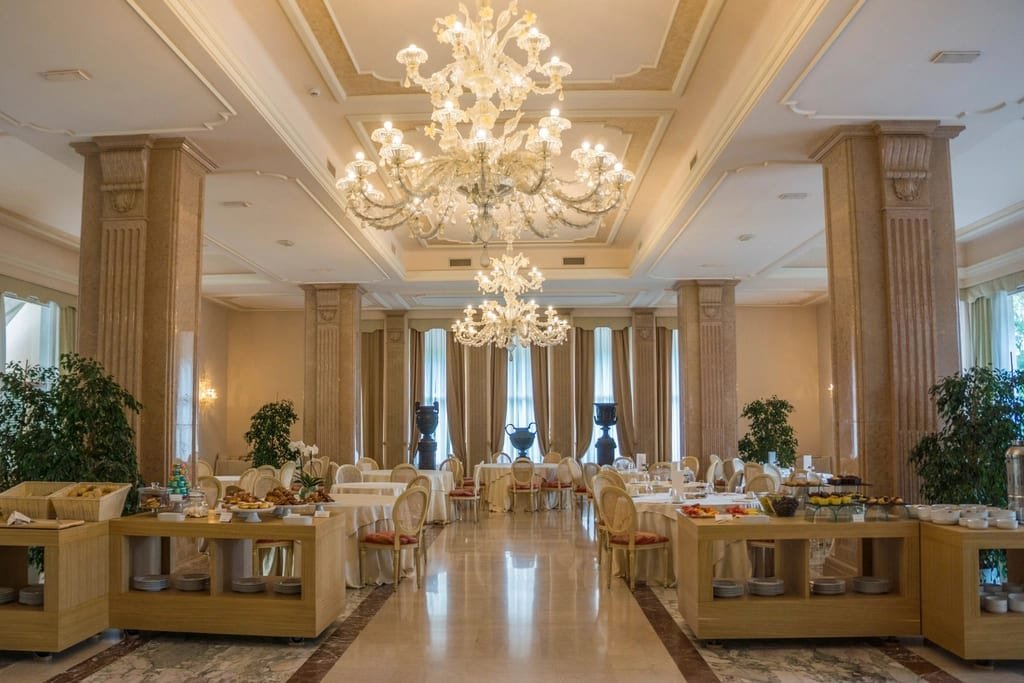
Not every student wants to spend three or four years in a degree before earning. Some want practical skills quickly, some need to support their family, and some simply learn better by doing. Diploma courses after 12th are built for exactly this: one to two years of focused, hands-on training that leads to a specific job.
This guide covers the main diploma fields — hospitality and culinary arts, design, pharmacy, health, engineering and aviation — and ends with an honest comparison of diploma vs degree.
What makes a good diploma?
Before looking at fields, know what to check in any diploma:
- Recognition: Is it approved by the relevant body (for example AICTE, the Pharmacy Council of India, the Indian Nursing Council or a state board), or awarded by a recognised university or international awarding body?
- Practical hours: A good diploma spends most of its time in labs, kitchens, studios or hospitals, not only in classrooms.
- Internship: Real industry exposure often decides your first job.
- Progression: Can you move on to a degree later, or get credit for your diploma?
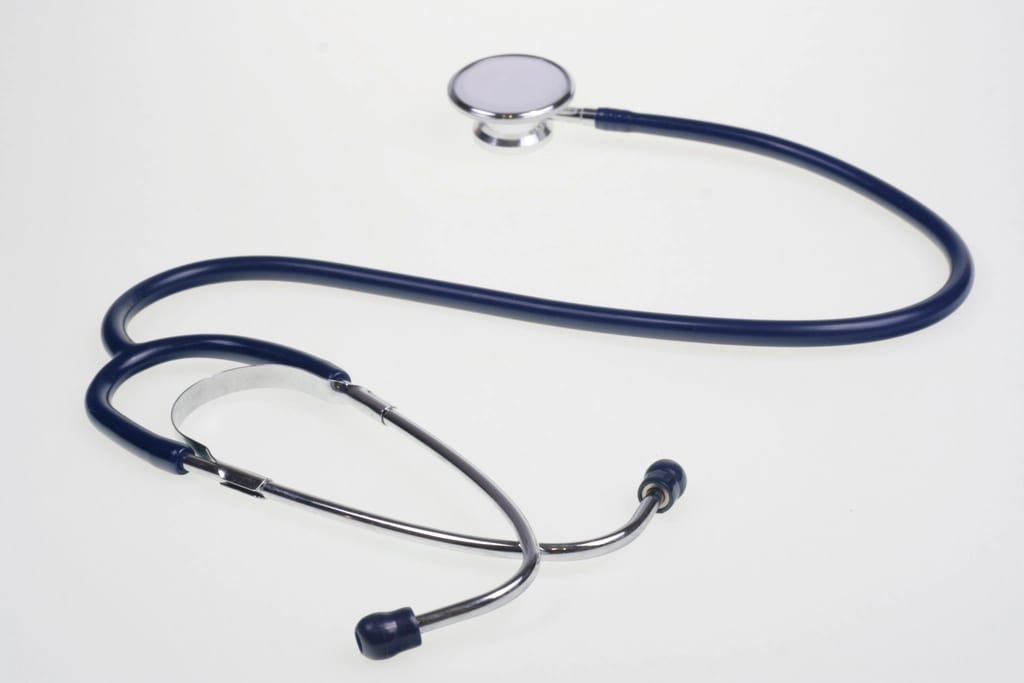 Paramedical diplomas train you for hospitals, labs and clinics.
Diploma courses after 12th: quick overview
| Field | Typical duration | Usual eligibility | Example first roles |
|---|---|---|---|
| Hotel management / culinary / bakery | 1–1.5 years | Class 12, any stream | Commis chef, F&B associate, baker |
| Fashion, interior or graphic design | 1–2 years | Class 12, any stream | Design assistant, junior designer |
| D.Pharm | About 2 years plus training | Class 12 with Science (PCB or PCM) | Pharmacist (after registration) |
| Medical lab technology (DMLT) | About 2 years | Class 12 with Science, usually PCB | Lab technician |
| ANM / GNM nursing | About 2–3 years | Class 12 (check state rules) | Nurse, health worker |
| Engineering diploma | Varies; lateral entry possible | Class 12 with PCM or vocational subjects | Junior engineer, technician |
| Aviation ground staff | 6 months – 1 year | Class 12, any stream | Ground staff, customer service |
Durations and eligibility vary by institute and state, so always check the official admission notice.
Hospitality, culinary and bakery diplomas
Hospitality is one of the most practical diploma fields. You can choose:
- Hotel management diploma: front office, food and beverage service, housekeeping and kitchen basics.
- Culinary arts diploma: Indian and international cooking, kitchen hygiene and food costing. See the Diploma in Culinary Arts course page.
- Bakery and pastry diploma: breads, cakes, chocolates and plated desserts.
Government Institutes of Hotel Management run craft and diploma courses under NCHMCT; details are on the NCHMCT website. For a closer look at the bakery route, read our comparison of bakery diploma vs certificate.
IIHCA, Khatima (Ishtha Institute of Hospitality & Culinary Arts in Uttarakhand) has trained chefs since 2013 and offers one-year diplomas in Bakery & Pastry Arts, Hotel Management, and an Assured Diploma in Culinary Arts that includes a six-month internship. Its programmes are accredited by City & Guilds, London, and are about 80% practical, with alumni working in kitchens abroad and on cruise lines.
Hospitality work involves long shifts and weekends, but it also offers travel and international opportunities.
Design diplomas
If you are creative but don't want a four-year B.Des, a diploma can be a good start:
- Diploma in Fashion Design: sketching, pattern making, garment construction and styling.
- Diploma in Interior Design: space planning, materials, drawing and design software.
- Diploma in Graphic Design: layout, branding, typography and tools like Photoshop and Illustrator.
In design, your portfolio matters as much as your certificate. Choose a course that makes you build real projects.
Health and pharmacy diplomas
D.Pharm (Diploma in Pharmacy)
D.Pharm trains you to dispense medicines and work in pharmacies, hospitals and pharma companies. It needs Class 12 Science. After completing it and registering with your state pharmacy council, you can work as a pharmacist or open a chemist shop (subject to licence rules). Make sure the college is approved by the Pharmacy Council of India.
Medical lab technology (DMLT)
Lab technicians run blood, urine and other diagnostic tests in hospitals and pathology labs. It suits PCB students who like careful, detail-oriented work. Our guide to medical courses without NEET lists more allied health options.
ANM and GNM nursing
ANM and GNM have traditionally been diploma-level nursing routes. Rules for these courses have been changing, so check the current position with the Indian Nursing Council and your state nursing council before you take admission. If you can, compare them with the four-year B.Sc Nursing degree.
Engineering diplomas and lateral entry
Polytechnic engineering diplomas are usually taken after Class 10, but in many states, students who have passed Class 12 with PCM or relevant vocational subjects can join directly in the second year. After a diploma, you can often enter the second year of a B.Tech through lateral entry. See our polytechnic diploma page for branches and admission basics. Check that the institute is approved by AICTE.
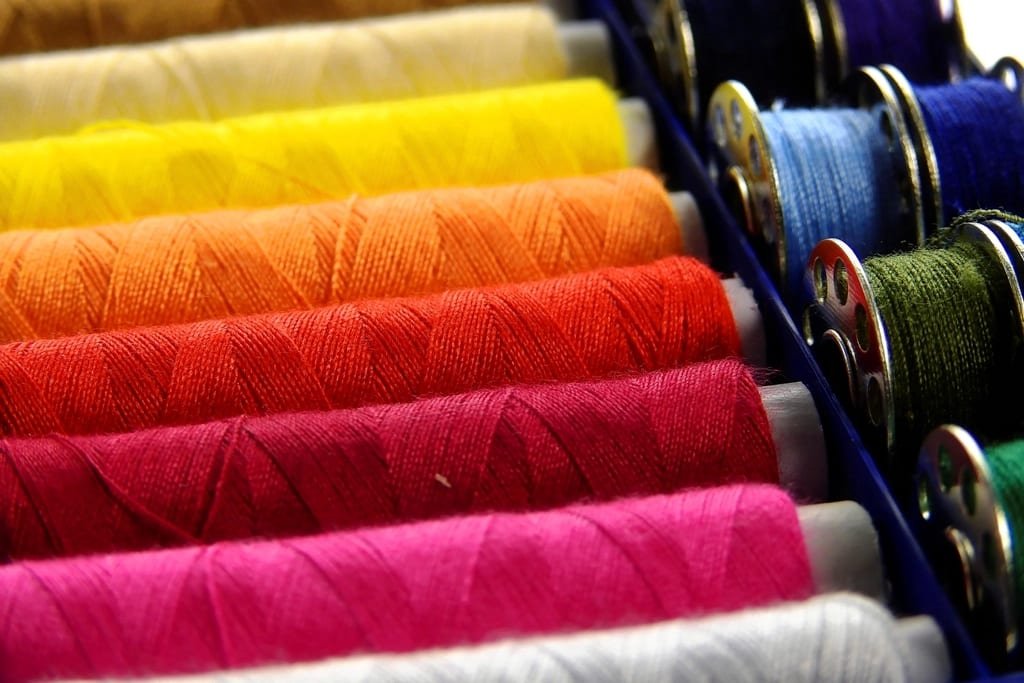 Fashion and design diplomas are practical and portfolio-based.
Aviation ground staff diplomas
Short diplomas in airport ground handling, customer service and airline ticketing prepare you for roles at airport counters, baggage services and travel agencies. Good English, grooming and communication are important. Be careful with institutes that promise guaranteed airline jobs — hiring is done by airlines and airport operators, not by the institute.
Diploma vs degree: which should you choose?
| Point | Diploma | Degree |
|---|---|---|
| Duration | Usually 1–2 years | Usually 3–4 years |
| Cost | Usually lower | Usually higher |
| Focus | Practical, job-specific | Broader theory plus practice |
| Start earning | Sooner | Later |
| Government jobs needing graduation | Not eligible | Eligible |
| Higher studies (Master's) | Usually need a degree first | Direct path |
| Career growth | Good with skills and experience | Often faster to senior roles |
Many students do both: a diploma first to start working, then a degree through distance learning. Government-recognised skill courses are also listed on Skill India Digital Hub.
Frequently asked questions
Which diploma course after 12th is best?
There is no single best one. Pick the field you genuinely enjoy and check recognition, practical training and internships. Hospitality, design, pharmacy and lab technology all have steady demand.
Can I get a government job with a diploma?
Some government posts accept a diploma, such as certain technician and pharmacist posts. Posts that require graduation will not. Always read the eligibility in the official notification.
Is a diploma valid for jobs abroad?
It depends on the field, the country and the recognition of your diploma. Internationally accredited hospitality diplomas are often accepted by hotels and cruise lines, but health jobs abroad usually need extra exams and registration.
Can I do a degree after a diploma?
Yes. Many students join a regular or distance degree after a diploma, and engineering diploma holders can often join B.Tech through lateral entry.
Next steps
Take the free career quiz to find which field suits your interests. Then shortlist two or three diplomas, compare fees and recognition, and look at scholarships that can reduce the cost.