

यह लेख अभी अंग्रेज़ी में उपलब्ध है।
Design Courses After 12th: Fashion, UX, Product, Interior and More
Love drawing, styling or making things look and work better? Compare design courses after 12th, the entrance exams for each, and how to build a portfolio.

If you are the student who doodles in every notebook, rearranges your room for fun, or notices when an app is confusing to use, design could be your field. Design courses after 12th are open to students from science, commerce and arts, and they lead to careers in fashion, branding, technology, products, spaces and animation. This guide explains the main design branches, the entrance exams, and how to prepare a portfolio.
What do designers actually do?
Design is not just making things pretty. Designers solve problems for people: a comfortable chair, a clear road sign, a fashion collection for a season, or an app that a grandparent can use. Most design courses teach drawing, colour, materials, research, software and presentation, and then let you specialise.
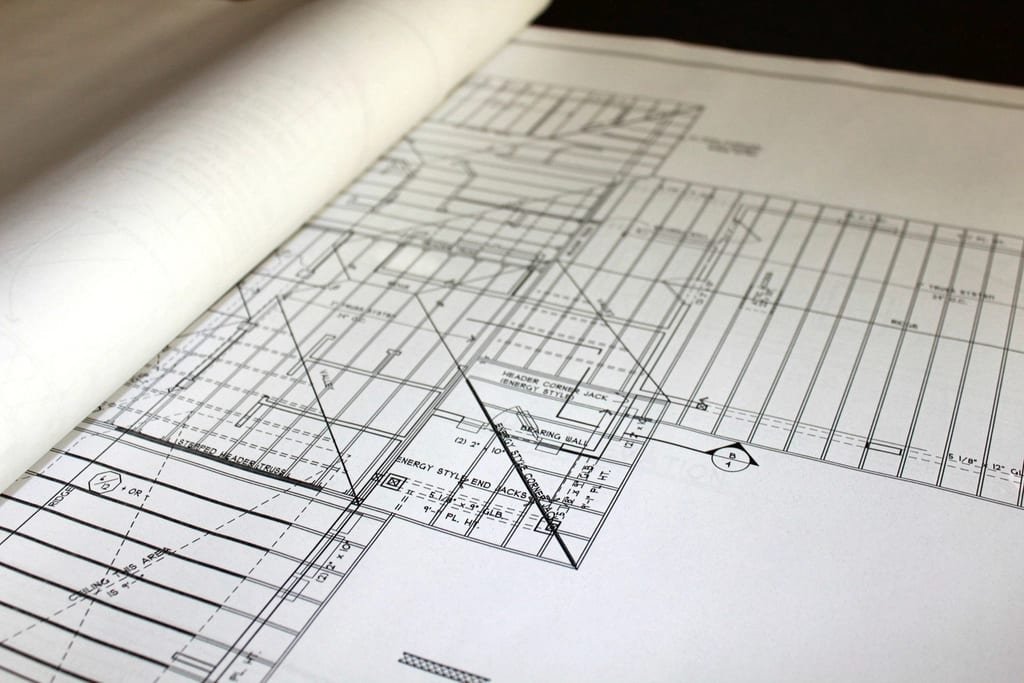 Architecture and interior design start with drawing and space planning.
Design courses after 12th: main options
| Specialisation | Typical degree | Duration (approx.) | Main entrance routes | Careers |
|---|---|---|---|---|
| Fashion design | B.Des Fashion Design | 4 years | NIFT, NID DAT, university tests | Fashion designer, stylist, merchandiser |
| Communication / graphic design | B.Des Communication Design | 4 years | NID DAT, UCEED, NIFT, university tests | Graphic designer, brand designer, illustrator |
| Product / industrial design | B.Des Product Design | 4 years | UCEED, NID DAT | Product designer, furniture designer |
| UX / interaction design | B.Des UX / Interaction | 4 years | UCEED, NID DAT, university tests | UX designer, UI designer, researcher |
| Interior design | B.Sc / B.Des Interior Design | 3–4 years | University tests, merit | Interior designer, space planner |
| Animation and VFX | B.Sc Animation / B.Des | 3–4 years | University tests, merit | Animator, VFX artist, game artist |
| Fine arts | BFA | 4 years | University tests | Artist, illustrator, art teacher |
| Architecture | B.Arch | 5 years | NATA, JEE Main Paper 2 | Architect, urban designer |
Fashion design
B.Des in Fashion Design covers sketching, garment construction, textiles, trend research and collection building. Graduates work with fashion brands, export houses, costume teams, retail and their own labels. The National Institute of Fashion Technology is the best-known public institute in this field, and it admits through its own entrance exam with a written test and a further round. Read more on our NIFT entrance exam page.
Communication and graphic design
Communication Design teaches typography, illustration, branding, photography and digital media. Graduates design logos, packaging, advertisements, books and social media content. It is a good choice if you love visuals and storytelling. Graphic designers can also work as freelancers once they have a strong portfolio.
Product design
Product Design is about designing objects people use every day, such as furniture, kitchenware, electronics, toys and medical devices. You learn sketching, model making, materials and manufacturing basics. The National Institute of Design is a pioneer in this field and admits B.Des students through its NID DAT exam, which usually has a written round and a further studio or interview round.
UX and interaction design
UX designers decide how apps and websites work, so that people can use them easily. A B.Des in UX design covers user research, wireframes, prototyping and usability testing. Tech companies and start-ups hire UX designers, and pay can grow well with experience. If you want to try it before a full degree, a short UI-UX certificate is a good taster.
IITs offer B.Des programmes through UCEED, conducted by IIT Bombay. Students from any stream can usually apply, but check the latest eligibility rules. See our UCEED exam page for an overview.
Interior design
Interior design is about planning spaces like homes, offices, shops, hotels and restaurants. You learn drawing, materials, lighting, furniture and software tools. Many interior designers work with firms first and later start their own studios.
Animation, fine arts and architecture
- Animation and VFX: for students who love films, cartoons and games. You learn 2D, 3D, modelling and visual effects.
- Fine arts (BFA): painting, sculpture, applied art and printmaking. It suits students who want to become artists, illustrators or art teachers.
- Architecture (B.Arch): a five-year professional degree. It usually needs Class 12 with Physics and Maths, and admission is through NATA or JEE Main Paper 2. Architecture combines design with engineering, building rules and site work.
Entrance exams for design courses after 12th
Most top design schools use aptitude tests, not just board marks. In general terms:
- NIFT entrance: for fashion and related design programmes at NIFT campuses.
- NID DAT: for B.Des at National Institutes of Design.
- UCEED: for B.Des at IITs and some other institutes.
- NATA: for B.Arch, conducted by the Council of Architecture.
- University tests: many state and private universities run their own design tests or admit on merit.
These tests check drawing, observation, creativity, visual thinking and general awareness. Dates and formats change every year, so check each official website.
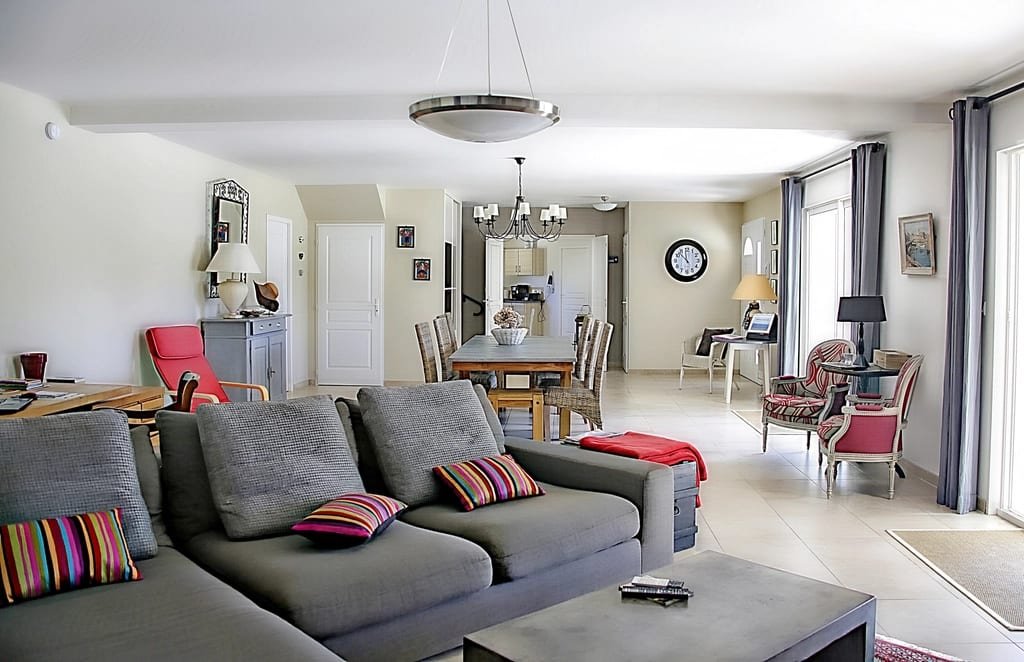 Interior designers plan homes, offices and cafés that are beautiful and practical.
How to build a design portfolio
Many second rounds and almost every job ask for a portfolio. Start early:
- Draw every day. Sketch people, objects and places around you, even for 20 minutes.
- Keep a visual diary. Note colours, patterns, signs and products you like or dislike, and why.
- Make small projects. Redesign a poster, sketch a dress collection, or plan a better layout for your room.
- Show your process. Include rough sketches and ideas, not only finished work.
- Learn basic tools. Free or low-cost software for drawing and layout is enough to begin.
- Get feedback. Ask teachers or designers to review your work honestly.
Frequently asked questions
Can science or commerce students take design courses after 12th?
Yes. Most B.Des programmes accept students from any stream. Architecture is the main exception, as it usually needs Physics and Maths in Class 12.
Do I need to be very good at drawing?
Basic drawing helps, especially for entrance tests, but you can improve with regular practice. Creativity, observation and ideas matter as much as perfect sketches.
Which design field pays the most?
UX and product design are often well paid in tech companies, but fashion, communication and interior design can also pay well once you build experience and a strong portfolio.
Is coaching needed for NIFT, NID or UCEED?
It is not compulsory. Many students prepare on their own with previous papers, daily sketching and mock tests. Coaching can help with structure and feedback.
Next steps
Take the free career quiz to see which design area matches your interests. Then pick two entrance exams, read their official notices, and start a sketchbook today.