

यह लेख अभी अंग्रेज़ी में उपलब्ध है।
Defence Jobs After 12th: NDA, Navy, Army and Agniveer Explained
NDA, Navy 10+2 B.Tech entry, Army TES, Agniveer or paramilitary? A clear guide to defence jobs after 12th, with eligibility basics, SSB and fitness tips.
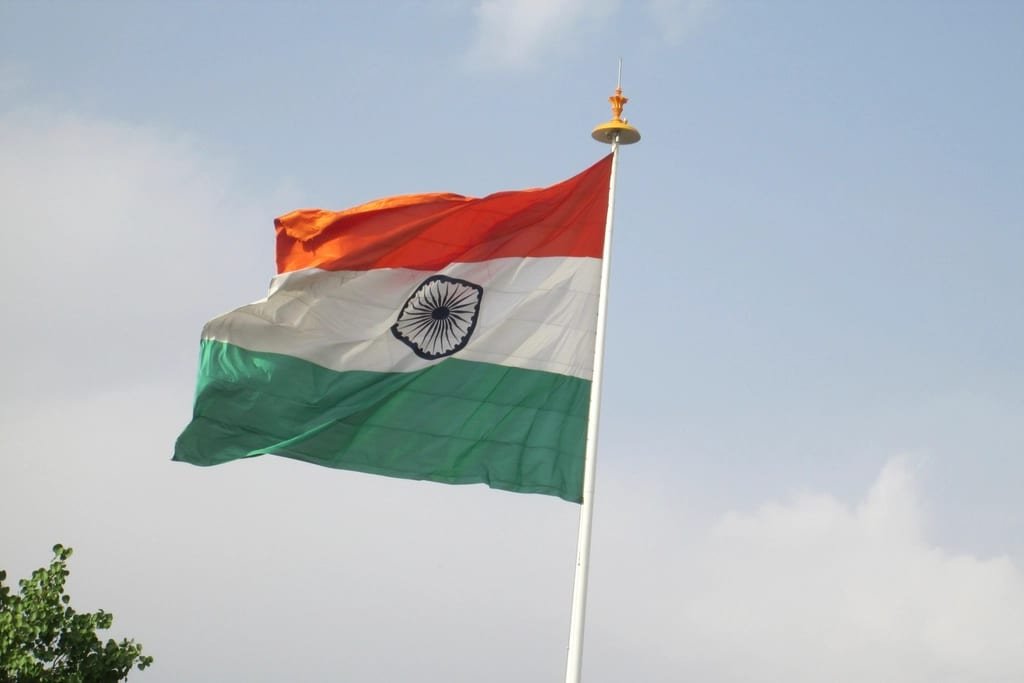
Serving in the Indian Army, Navy or Air Force is a dream for many Class 12 students — and it is one of the few careers where you can start training straight after school. This guide explains the main defence jobs after 12th: officer entries like NDA, technical entries, the Agniveer scheme and paramilitary jobs. It also covers what the SSB interview and fitness tests involve, so you know what to prepare for.
Rules on age, marks, physical standards and vacancies change from notification to notification. Use this guide to understand the options, then always read the latest official notice before applying.
Two broad routes: officer or other ranks
- Officer entries (NDA, Navy B.Tech entry, Army TES): you train for a few years at a military academy and join as a commissioned officer. Selection is through a written exam or merit shortlist, then the SSB interview and a medical.
- Other ranks / Agniveer entries: you join as a soldier, sailor or airman. Selection is through a written test, physical fitness test and medical. Training is shorter, and you start serving sooner.
The officer route is more competitive; the other ranks route is open to more students.
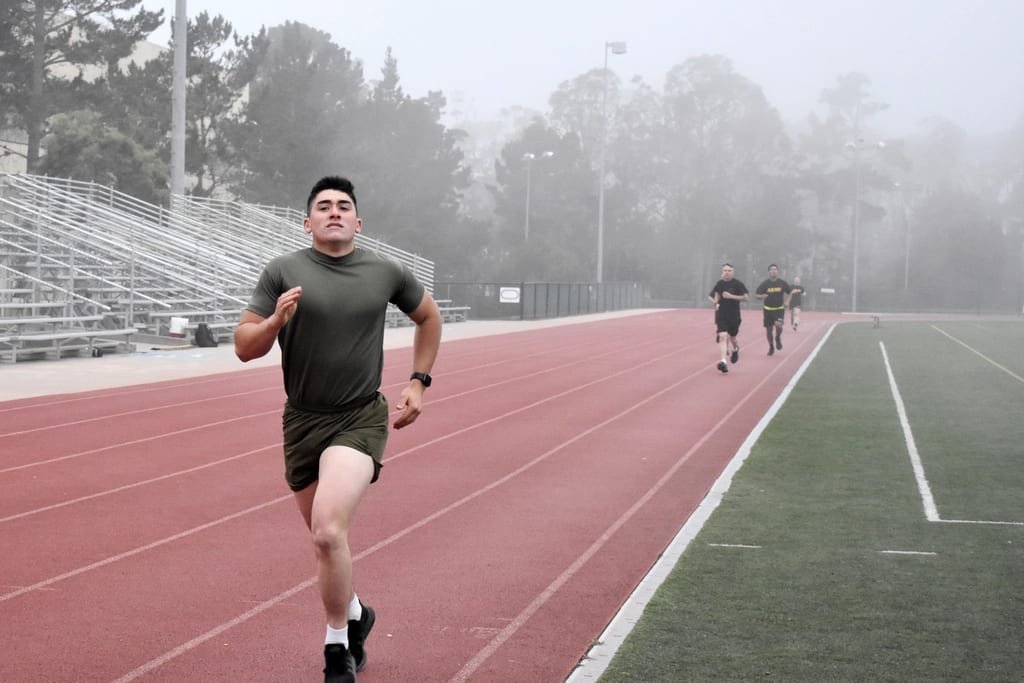 Physical fitness is tested at every stage of defence selection.
Defence jobs after 12th: quick comparison
| Entry | Who it is for (in general) | Selection | Leads to |
|---|---|---|---|
| NDA | Class 12 students; Air Force and Navy wings need Physics and Maths | UPSC written exam + SSB + medical | Officer in Army, Navy or Air Force |
| Navy 10+2 B.Tech cadet entry | PCM students with a JEE Main rank | Shortlist on JEE Main + SSB + medical | Officer with an engineering degree |
| Army Technical Entry Scheme (TES) | PCM students | Shortlist (check current criteria) + SSB + medical | Technical officer with an engineering degree |
| Agniveer (Army, Navy, Air Force) | Class 10 or 12, depending on trade | Written test + fitness + medical | Fixed-term service; some selected for regular service |
| Paramilitary / police constable | Usually Class 10 or 12 | Written test + physical test + medical | Constable in CAPF or state police |
NDA: the best-known officer entry
The National Defence Academy exam is conducted by UPSC, usually twice a year. Students in Class 12 or who have passed Class 12 can apply. For the Army wing, any stream is generally accepted; for the Air Force and Navy wings, you need Physics and Maths in Class 12. The exam is open to both young men and women — check the current notification for the exact age band, marital status rules and physical standards.
The written exam has two papers: Mathematics and a General Ability Test (English plus general knowledge, physics, chemistry, history, geography and current affairs). Those who clear it are called for the SSB interview.
Selected cadets train at the NDA in Khadakwasla and then at their service academy, earning a degree along the way.
Technical entries for PCM students
Indian Navy 10+2 B.Tech cadet entry
This entry is for PCM students who want to be naval officers with an engineering degree. Shortlisting is based on the JEE Main rank, followed by SSB and a medical. Cadets study at the Indian Naval Academy and earn a B.Tech while training. Check the Navy's official recruitment notices for current eligibility.
Army Technical Entry Scheme (TES)
TES is for PCM students who want to become technical officers in the Army. Candidates are shortlisted (recent notifications have used JEE Main scores along with Class 12 marks — confirm on the current notice), then attend the SSB. Training includes an engineering degree before commissioning. Details are published on Join Indian Army.
If you are preparing for JEE anyway, keep these entries in mind. Our guide to entrance exams after Class 12 lists the main exam timelines.
Agniveer (Agnipath scheme)
Under the Agnipath scheme, young people join the Army, Navy and Air Force as Agniveers for a fixed term of a few years. At the end of the term, a portion are selected for regular service through a further process, while others leave with a lump-sum package and skills for other careers. Some state and central jobs give preference to former Agniveers — check the latest government announcements.
Agniveer trades have different education requirements. Some need Class 10, others need Class 12 (and some technical trades need PCM). Selection usually involves an online written test, a physical fitness test and a medical exam. Army details are on Join Indian Army; the Navy and Air Force publish their own Agniveer notices.
Paramilitary forces and police
If you want a uniformed career but not necessarily in the armed forces, consider:
- Central Armed Police Forces (CAPF) such as BSF, CRPF, CISF, ITBP and SSB. Constable (GD) recruitment is conducted through the Staff Selection Commission.
- State police constable recruitment, run by each state's police recruitment board.
These jobs also have written exams, a physical test and a medical. See our guide to government jobs after 12th for more uniformed and civilian options.
What is the SSB interview?
For officer entries, the Services Selection Board (SSB) interview is usually a five-day process. It tests personality and officer-like qualities, not bookish knowledge. It generally includes:
- Screening: a reasoning test and a picture-based story test with group discussion.
- Psychology tests: quick writing tasks that show how you think.
- Group tasks: outdoor and indoor tasks with other candidates.
- Personal interview with an officer.
- Conference: a final review by the board.
Honesty, clear communication, teamwork and a calm mind matter most.
 Start running and exercising regularly long before your fitness test.
Fitness and medical standards
Every defence entry has a medical exam, and most have a physical test. Start early:
- Build running stamina steadily. Many tests include a timed run.
- Add push-ups, sit-ups, pull-ups and stretching to your routine.
- Look after your eyesight, weight and posture.
Our sports and fitness page has ideas if you want structured training. Exact height, weight, vision and run-time standards are in each notification.
How to prepare while in Class 12
- Keep your Class 12 marks strong, especially Physics and Maths if you want technical or Air Force/Navy entries.
- Read a newspaper daily and practise previous NDA papers.
- Exercise every day, not just before the test.
- Have a backup plan, such as a B.Sc, B.Tech or BA, with CDS or AFCAT entries possible after graduation.
Children of ex-servicemen can also check the PMSS scholarship for wards of ex-servicemen.
Frequently asked questions
Can arts or commerce students join NDA?
Yes, for the Army wing in general. The Air Force and Navy wings need Physics and Maths in Class 12. Check the latest notification for full eligibility.
Can girls apply for defence jobs after 12th?
Yes. Women can now apply to NDA and to several Agniveer and other entries. Specific posts, numbers and standards vary, so read each official notice.
Is coaching necessary for NDA?
Not necessarily. Many candidates prepare with NCERT books, previous papers and daily newspaper reading. Coaching can help with discipline and SSB practice, but self-study works if you are regular.
What if I don't clear NDA?
You can try again in a later attempt if you are still within the age limit, or go to college and aim for graduate entries like CDS or AFCAT. Agniveer and paramilitary jobs are other routes.
Next steps
Take the free career quiz to check whether a uniformed career matches your strengths. Then bookmark the UPSC and Join Indian Army websites, and read our overview of career options after 12th to plan a strong backup.