

यह लेख अभी अंग्रेज़ी में उपलब्ध है।
Computer Courses After 12th: Degrees, Diplomas and Certificates
BCA, B.Tech CSE, B.Sc, data science, UI/UX or a short certificate? A simple guide to computer courses after 12th for students with and without maths.

Almost every job today touches a computer, so it is no surprise that computer courses after 12th are among the most searched options in India. But "computer course" can mean anything from a four-year engineering degree to a three-month Tally certificate. This guide sorts the main options by length, entry route and the kind of work they lead to, so you can pick one that matches your marks, your subjects and your budget.
A quick honest note first: in IT, what you can actually build matters more than the name of your course. Whatever you choose, plan to practise coding or design on your own every week.
Computer courses after 12th: the main paths
There are three broad levels:
- Degrees (3–4 years): B.Tech CSE, BCA, B.Sc Computer Science or IT, B.Sc Data Science. Best for long-term careers in software and analytics.
- Diplomas and advanced certificates (6 months – 1 year): for example NIELIT courses, web development or UI/UX programmes. Good for a faster start or alongside a degree.
- Short certificates (1–6 months): basic computer skills, Tally and accounting software, MS Office, digital tools. Useful for office and support jobs.
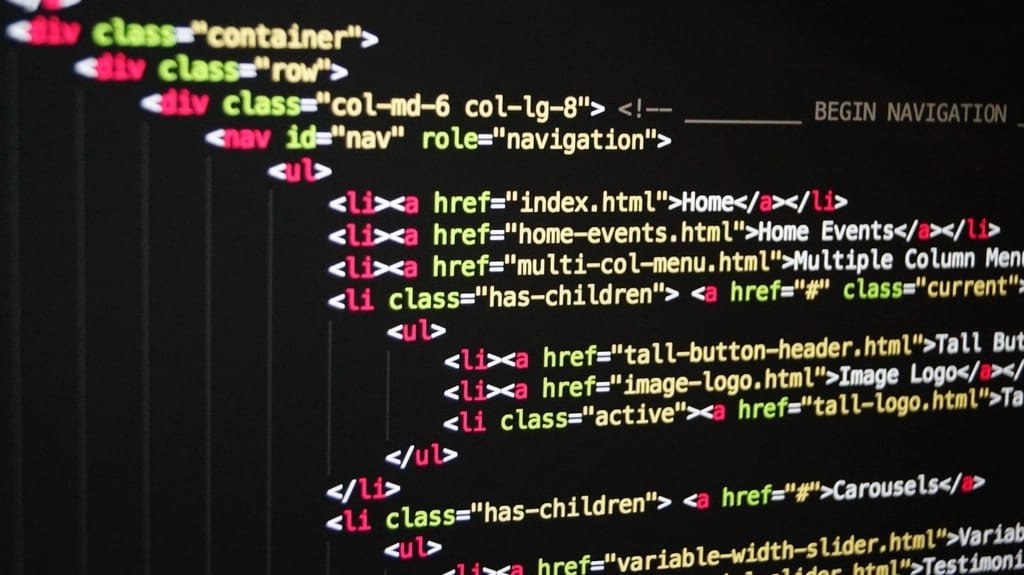 Web development is one of the quickest ways to build a portfolio.
Quick comparison table
| Course | Duration | Maths in 12th needed? | Usual entry route | Typical first roles |
|---|---|---|---|---|
| B.Tech CSE | 4 years | Yes (PCM) | JEE Main, state or university tests | Software developer, QA engineer |
| BCA | 3–4 years | Often preferred, not always required | Merit, CUET-UG or university test | Junior developer, IT support, tester |
| B.Sc Computer Science / IT | 3–4 years | Usually yes | CUET-UG or merit | Developer, analyst, further study |
| B.Sc Data Science | 3–4 years | Usually yes | CUET-UG or university test | Data analyst, junior data scientist |
| UI/UX certificate | A few months | No | Direct admission | Junior UI/UX designer (with portfolio) |
| NIELIT-type certificates | Weeks to about a year | No | Direct admission | Office IT, data entry, basic programming |
| Tally / accounting software | 1–3 months | No | Direct admission | Accounts assistant |
Eligibility rules differ between universities, so always read the specific college's admission notice.
Degree options in detail
B.Tech in Computer Science (CSE)
This is the deepest and most demanding option. You study programming, data structures, operating systems, networks, databases and newer areas like AI. You need PCM in Class 12. Admission to NITs and many state colleges is through JEE Main, run by NTA — see the official JEE Main site for the current information bulletin. Many private universities hold their own tests.
Choose it if you enjoy maths and logic and want the widest range of software and core tech roles. Check that the college is approved by AICTE.
BCA (Bachelor of Computer Applications)
BCA focuses on applied programming, web development and databases, with less heavy maths and physics than B.Tech. Many universities now offer a four-year BCA (honours) under the new education policy, with exit options. Some colleges accept commerce or arts students too; others require maths in Class 12. Our computer applications stream page explains the field in more detail.
BCA followed by an MCA is a common route into software jobs for students who did not want or did not get engineering.
B.Sc Computer Science, IT or Data Science
These are science degrees with a strong theory base. Central and many state universities admit through CUET-UG — check the CUET-UG portal for the current pattern. B.Sc Data Science adds statistics, Python and machine learning, and can lead toward a career as a data scientist after more study and projects.
Computer courses for students without maths
If you studied commerce or arts without maths, you still have real options:
- BCA at colleges that do not insist on maths (check each college).
- UI/UX design, which relies more on visual thinking and user research than on maths. It suits students who notice how apps look and feel.
- Web design and digital tools, often combined with marketing skills.
- Tally and accounting software, which fits well with a B.Com.
- NIELIT certificate courses such as the CCC or O level type programmes.
You can also study basic maths and logic on your own later. Many good programmers did not have a maths-heavy background; they built skills step by step.
Short certificates: NIELIT, Tally and more
The National Institute of Electronics & Information Technology (NIELIT) is a government body that runs and accredits computer courses at different levels — from basic computer awareness to foundation-level programming and beyond. Some of these certificates are asked for in certain government job notifications, so they can be useful if you plan to apply for clerical posts. Course names, levels and fees change, so check the NIELIT website directly.
Tally and accounting software courses are popular with commerce students and can lead to accounts assistant roles in small businesses. Basic computer courses (typing, MS Office, internet use) are a good first step if you are new to computers.
Be careful with institutes that promise "guaranteed IT jobs" after a two-month course. A short certificate helps, but it rarely replaces a degree or a strong portfolio for developer roles.
 Short certificates in software and office tools can lead to jobs quickly.
Which computer course suits whom?
- Strong in maths, ready for tough exams: B.Tech CSE.
- Like computers, want a cheaper or less competitive route: BCA, then MCA or skills.
- Enjoy numbers and patterns: B.Sc Data Science or Statistics with coding.
- Creative and visual: UI/UX design or web design.
- Commerce background, want a job soon: Tally plus a B.Com, or BCA.
- Need to earn quickly: a short certificate now, a degree through distance learning later.
Salary expectations (keep them realistic)
Pay in IT depends heavily on your skills, the company and the city. As a rough guide, freshers in software or IT support roles often start around ₹2.5–4 lakh a year, while graduates from well-known engineering colleges or with strong project portfolios can get more. Certificate holders in office or data-entry roles usually earn less at first. Experience and continuous learning matter more than the first salary. Read more on the software engineer career page.
Frequently asked questions
Which is better after 12th, BCA or B.Tech CSE?
B.Tech CSE is deeper and opens more engineering roles, but it needs PCM and usually an entrance exam. BCA is shorter or similar in length, often cheaper and easier to get into. Both can lead to software jobs if you build real skills.
Can I do a computer course after 12th commerce?
Yes. Many colleges admit commerce students to BCA, and short courses like Tally, web design and UI/UX have no subject requirement. Check each college's eligibility, as some want maths in Class 12.
Are NIELIT certificates useful?
They are government-recognised and are sometimes listed as a desirable qualification in clerical government jobs. They are a good base, but for developer jobs you will usually need a degree and projects too.
How much do computer courses cost?
Fees vary a lot. Government colleges and universities are usually much cheaper than private ones, and short certificates cost far less than degrees. Compare fees carefully and look at scholarships before you decide.
Next steps
Take the free career quiz to see whether coding, data or design suits you best. Then shortlist two or three courses from this guide, check their official admission notices early, so you don't miss a form or a deadline.