

यह लेख अभी अंग्रेज़ी में उपलब्ध है।
Cake Making Course: What You Learn, Options and Careers
From soft sponges to wedding cakes — what a cake making course teaches, how a short course compares with a full diploma, and the careers and home businesses it can lead to.
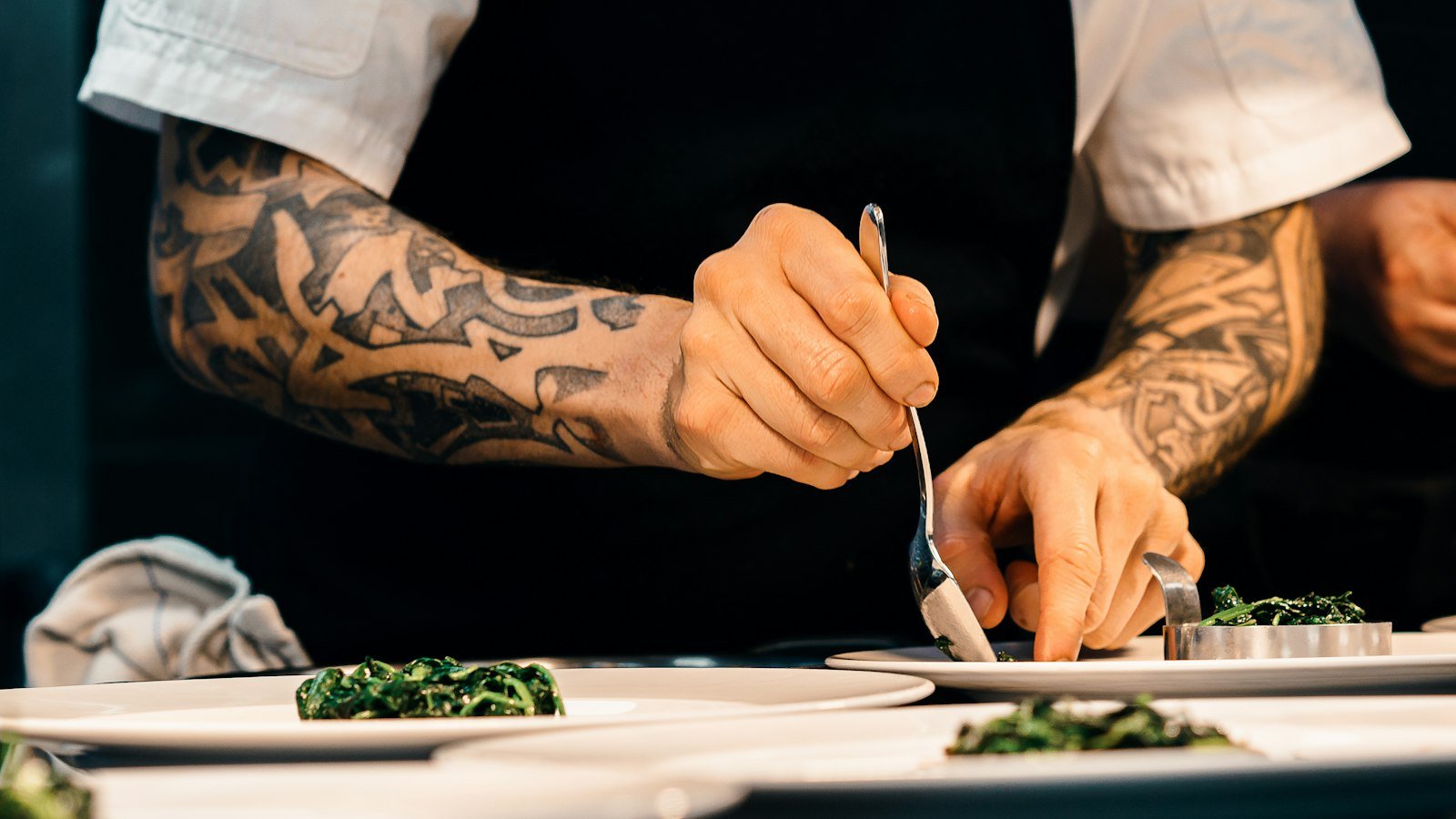
Every birthday, anniversary, wedding and festival in India needs a cake — and customers today expect more than a plain sponge. They want eggless options, smooth finishes, themed designs and tall wedding cakes. A good cake making course teaches you to bake and decorate these reliably, whether you want a job or your own business.
Cakes look simple, but they are a mix of science and art. The right flour, accurate weighing, correct oven temperature and proper cooling all matter before you even start decorating. This guide explains what you learn, which type of course to choose, and where it can take you.
Learn with expert guidance. At IIHCA – Ishtha Institute of Hospitality & Culinary Arts in Khatima, cake making is part of a bakery programme taught by international experienced chefs, with 80% of class time spent practising in the kitchen.
What you learn in a cake making course
A complete course usually moves from basics to advanced design.
1. Cake bases and sponges
- Genoise, chiffon and classic sponges
- Butter cakes, pound cakes and tea cakes
- Chocolate, red velvet and fruit cakes
- Why cakes sink, crack or turn dense — and how to fix it
2. Eggless baking
Eggless cakes are in very high demand in India. You learn how to replace eggs using ingredients such as curd, condensed milk or other substitutes, while keeping the cake soft and well-risen.
3. Creams, fillings and frosting
- Whipped cream, buttercream and ganache
- Fruit fillings, compotes and syrups
- Crumb coating, levelling and getting sharp, smooth edges
4. Fondant and sugar work
- Covering a cake neatly with fondant
- Modelling figures, flowers and simple toppers
- Colouring, texturing and painting techniques
5. Tiered and wedding cakes
- Stacking and supporting tiers safely
- Planning a design to match a theme or event
- Transporting large cakes without damage
6. Hygiene, costing and business basics
- Safe storage of creams and finished cakes
- Costing a cake correctly, including packaging and time
- Basic food-safety rules from FSSAI
Short cake course vs full bakery diploma
There are two main routes. Neither is wrong — it depends on your goal.
| Point | Short cake making course | Full bakery and pastry diploma |
|---|---|---|
| Duration | A few days to a few months | Usually about 1 year |
| Focus | Cakes and decoration only | Cakes plus breads, pastries, desserts, chocolate |
| Practice | Limited to selected cakes | Extensive, across the whole pastry kitchen |
| Best for | Hobby bakers, home businesses | Hotel, café, cruise and international careers |
| Career reach | Mostly self-employment | Wider job options and growth |
A short course, such as a Certificate in Bakery & Patisserie, is a good, low-risk start if you only want to sell cakes from home. A full diploma is better if you want a professional kitchen career, because hotels and cruise lines expect pastry chefs to handle much more than cakes. Read our full comparison of bakery diploma vs certificate for more detail.
Cake making as part of IIHCA's bakery diploma
At IIHCA, the one-year Diploma in Bakery & Pastry Arts has a full module on cakes, icing and decoration, alongside breads and viennoiserie, pastries, tarts and cookies, desserts and chocolate, and bakery hygiene and costing. Students practise every technique under international experienced chefs, and all equipment, ingredients, protective gear and standard recipe cards are provided. The fee is ₹2,20,000 — confirm current fees with the institute.
This means you learn cake making as part of a complete professional skill set, not in isolation. IIHCA has also won gold and silver medals at the Aahar International Food Fair.
Careers after a cake making course
Cake skills open several paths:
- Hotel pastry kitchen: Start as a pastry commis and grow — see the pastry chef and baker career.
- Bakery chains and cafés: Work as a cake decorator or production baker.
- Cruise lines and jobs abroad: Trained pastry staff are needed in large ship and hotel kitchens. See bakery jobs abroad.
- Your own business: Custom cakes, wedding cakes and dessert tables from home or a small studio.
Pay varies by workplace and skill. In India, freshers in bakery roles usually start at roughly ₹1.8–3 lakh a year, and experienced pastry chefs typically earn ₹4–10 lakh a year. Cake business owners' income varies widely. Read pastry chef salary in India for the full picture.
Starting a cake business from home
Many cake makers start at home before opening a shop. Basic steps include:
- Register with FSSAI — small food businesses usually start with basic registration on the FoSCoS portal. Check the portal for current rules.
- Build a portfolio — clear photos and short videos of your best cakes.
- Price properly — count ingredients, packaging, gas or electricity, and your time.
- Market locally — Instagram, WhatsApp Business and tie-ups with event planners.
Our step-by-step guide on how to start a home bakery business covers registration, costing and marketing in detail.
How to choose a good cake making course
Before you pay, check:
- How much time you will spend decorating with your own hands
- Whether eggless baking is included
- Whether fondant and tiered cakes are covered, or only cream cakes
- Whether ingredients and tools are provided
- Whether the course is recognised — for example, by bodies like THSC
Frequently asked questions
Who can join a cake making course?
Short hobby courses are open to almost anyone. For a professional bakery diploma, eligibility depends on the institute — contact IIHCA for eligibility and the next batch.
Is eggless cake making taught?
Most good courses include eggless baking because demand in India is high. Ask the institute before joining.
Can I start a business after a cake making course?
Yes. Many people start home cake businesses after training. You need FSSAI registration and a clear costing plan.
Is a short course enough for a hotel job?
Usually not. Hotels prefer candidates with full bakery and pastry training, such as a one-year diploma.
Take the next step
If you want to make cakes that look and taste professional — and build a career or business around them — choose training with real kitchen practice. IIHCA in Khatima has trained chefs since 2013, is a THSC Center of Excellence, and offers a City & Guilds-accredited bakery diploma taught by international experienced chefs.
Contact IIHCA for eligibility and the next batch:
- Phone: +91-9557438569
- WhatsApp: +91-9528271717
- Email: admission@iihca.in
- Website: https://iihca.in
You can also view the IIHCA Khatima profile on Xplain More.