

यह लेख अभी अंग्रेज़ी में उपलब्ध है।
Bakery Course Fees in India: What You Pay and What You Get
From short certificates to full diplomas — typical bakery course fees in India, what should be included, the hidden costs to ask about and how to fund your training.
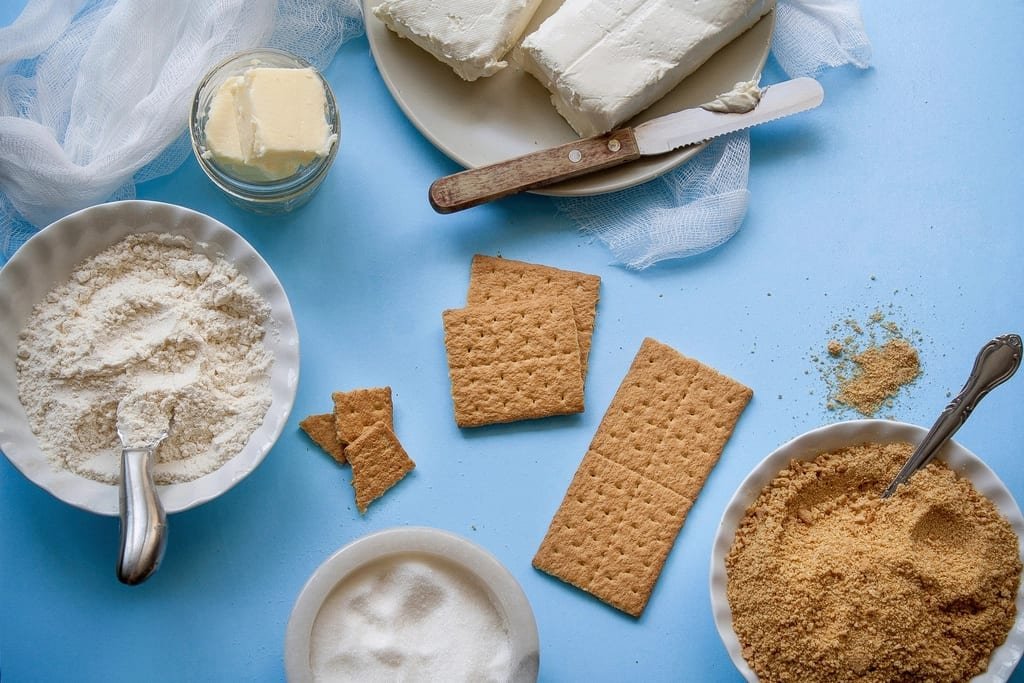
One of the first questions students and parents ask is simple: "How much will it cost?" Bakery course fees in India vary a lot — from a few thousand rupees for a weekend workshop to a few lakh for a full diploma or degree. The number on the brochure is only part of the story, though. What matters is what you get for that money.
This guide explains typical fee ranges by course type, what a good fee should include, the hidden costs to ask about, how to fund your course and how to judge value for money. We use a real institute's published fees as a worked example.
Our worked example: We use IIHCA – Ishtha Institute of Hospitality & Culinary Arts, Khatima because it publishes its fees clearly. IIHCA has trained chefs since 2013, and its students learn from international experienced chefs in a course that is 80% hands-on.
Typical bakery course fees by course type
These are rough ranges to help you plan. Every institute is different, so always ask for a written fee breakup.
| Course type | Typical duration | Rough total fee |
|---|---|---|
| Workshops and hobby classes | 1 day – 4 weeks | A few thousand rupees upwards |
| Certificate in Bakery & Patisserie | 3–6 months | Roughly ₹25,000–80,000 |
| Specialist bakery and pastry diploma | About 1 year | Roughly ₹1–2.5 lakh |
| Culinary degree (B.Sc) | 3 years | Often ₹1.5 lakh or more per year |
Government Institutes of Hotel Management usually charge differently from private academies; check NCHMCT for their courses. Fees also rise with city, brand and facilities.
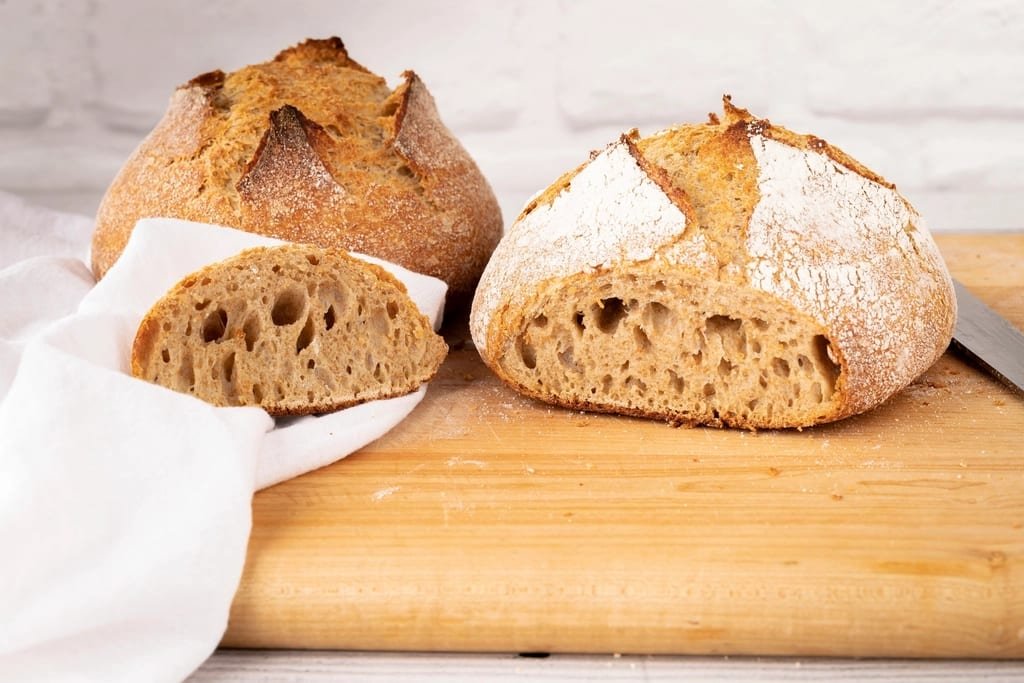 Ask whether your course fee covers ingredients for every practical class.
What should the fee include?
Baking uses a lot of material. Butter, chocolate, cream, flour and fruit are used in almost every class. Before paying, ask whether the fee covers:
- Ingredients for every practical class
- Equipment — ovens, mixers, moulds and tools for each student
- Uniform and protective gear — chef coat, apron, cap, shoes
- Recipe notes or standard recipe cards
- Exam and certification charges
- Internship or placement support
A low fee that excludes ingredients can end up costing more than a higher, all-inclusive fee.
Hidden costs to ask about
- Hostel or rent if you study away from home
- Food and daily travel
- Personal tool kit (knives, piping bags, scrapers) if not provided
- Registration or admission charges paid separately
- Re-exam fees if you miss an assessment
- Passport and documents later, if you plan to work abroad
Studying close to home can save a large amount on rent and travel — something many families in smaller towns forget to count.
Worked example: IIHCA bakery course fees
Here is how one institute's published fees look. The Diploma in Bakery & Pastry Arts at IIHCA runs for 1 year with a fee of ₹2,20,000. It covers breads and viennoiserie; cakes, icing and decoration; pastries, tarts and cookies; desserts and chocolate; and bakery hygiene, costing and FSSAI basics.
What the fee includes, as published by the institute:
- all equipment, ingredients, protective gear and standard recipe cards
- 80% hands-on practical training and 20% theory
- training by international experienced chefs
- a programme accredited by City & Guilds, London, and recognised by THSC, NSDC and Skill India
For comparison, IIHCA's other published fees are:
| IIHCA course | Duration | Fee |
|---|---|---|
| Diploma in Bakery & Pastry Arts | 1 year | ₹2,20,000 |
| Assured Diploma in Culinary Arts | 1 year (incl. 6-month internship) | ₹1,50,000 |
| Assured Diploma (International) in Culinary Arts & Science | 2 years (incl. 1-year internship) | ₹2,20,000 |
| Diploma in Hotel Management | 1 year | ₹60,000 |
| Certifications in Barista, Bartending or Pizza | 3 months each | ₹80,000 each |
| Bachelors in Culinary Arts | — | Explained in counselling |
These are the fees as last published — confirm current fees with the institute.
How to pay: loans, EMI and scholarships
Do not let the fee alone stop you. Families commonly use:
- Education loans. Banks offer loans for many diploma and skill courses. Read our education loan guide to understand documents and interest.
- EMI or instalments. Some institutes let you pay in parts. Ask clearly about the schedule and any extra charges.
- Scholarships. Browse our scholarships page for options you may qualify for.
- Family savings and part-time work. Some students take small baking orders to cover part of the cost.
Use our education loan calculator to see a likely monthly EMI before you decide.
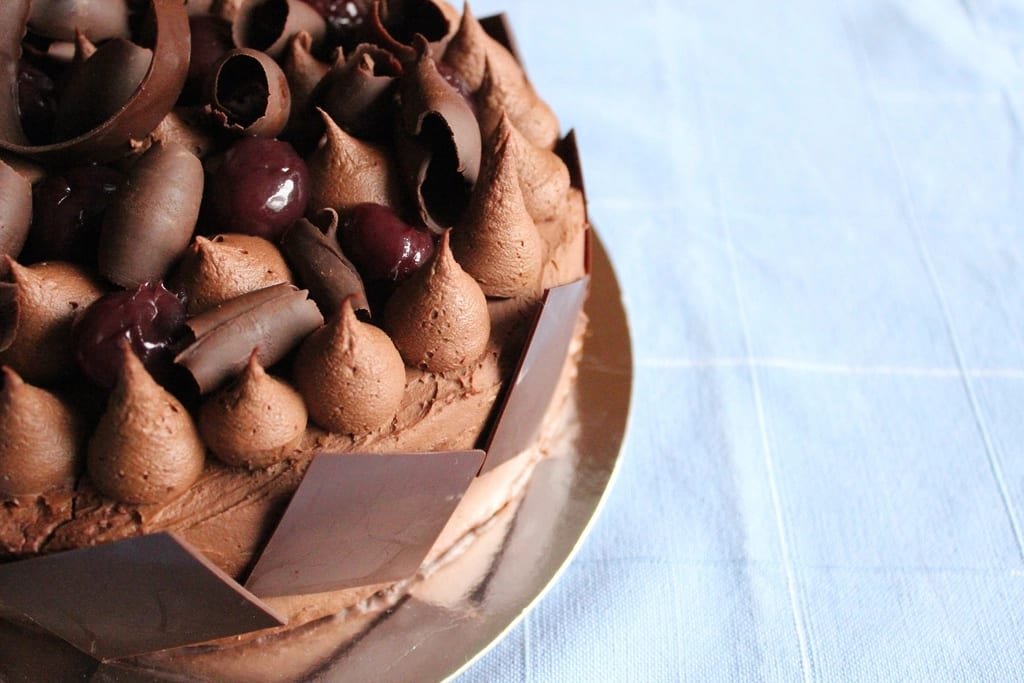 Advanced decoration and chocolate work are what longer courses add.
Is a bakery course worth the fee?
Look beyond the price and compare:
- Practice hours — how much time you actually bake with your own hands
- Trainers — their kitchen and international experience
- Recognition — links with bodies such as the Tourism & Hospitality Skill Council
- Outcomes — where past students work today
- Total cost — fee plus rent, travel and materials
As a rough guide, bakery freshers in India typically earn around ₹1.8–3 lakh a year, and experienced pastry chefs roughly ₹4–10 lakh a year. A good course should help you reach that first job — or your own home bakery — with real skills. If you are torn between a short course and a full programme, see our bakery diploma vs certificate comparison.
Frequently asked questions
What are average bakery course fees in India?
Short certificates are usually in the tens of thousands of rupees, while one-year diplomas are typically one to a few lakh rupees. Degrees cost more because they run for three years.
Why are some bakery courses so expensive?
Ingredients like butter, chocolate and cream are costly, and good courses use them in every class. Smaller batches, experienced trainers and recognised certification also add to the fee.
Can I get a loan for a bakery course?
Often, yes. Many banks fund diploma and skill courses. Ask the institute for a fee letter and compare loan offers from banks.
Is a cheaper course a bad choice?
Not always. A cheaper certificate can be right for a home baker. Just check what is included and how much hands-on practice you will get.
Take the next step
If you would like a clear fee breakup and advice on paying for your course, contact IIHCA's admissions team in Khatima. They can explain the bakery diploma, how training with international experienced chefs works day to day, and the eligibility for the next batch.
- Phone: +91-9557438569
- WhatsApp: +91-9528271717
- Email: admission@iihca.in
- Website: iihca.in
- Address: Near Indian Bank, Pilibhit Road, Khatima, Udham Singh Nagar, Uttarakhand 262308