

यह लेख अभी अंग्रेज़ी में उपलब्ध है।
Aviation Courses After 12th: Pilot, Cabin Crew, AME and More
Pilot, cabin crew, ground staff, aircraft engineer or aviation manager? A realistic guide to aviation courses after 12th, including eligibility, medicals and costs.
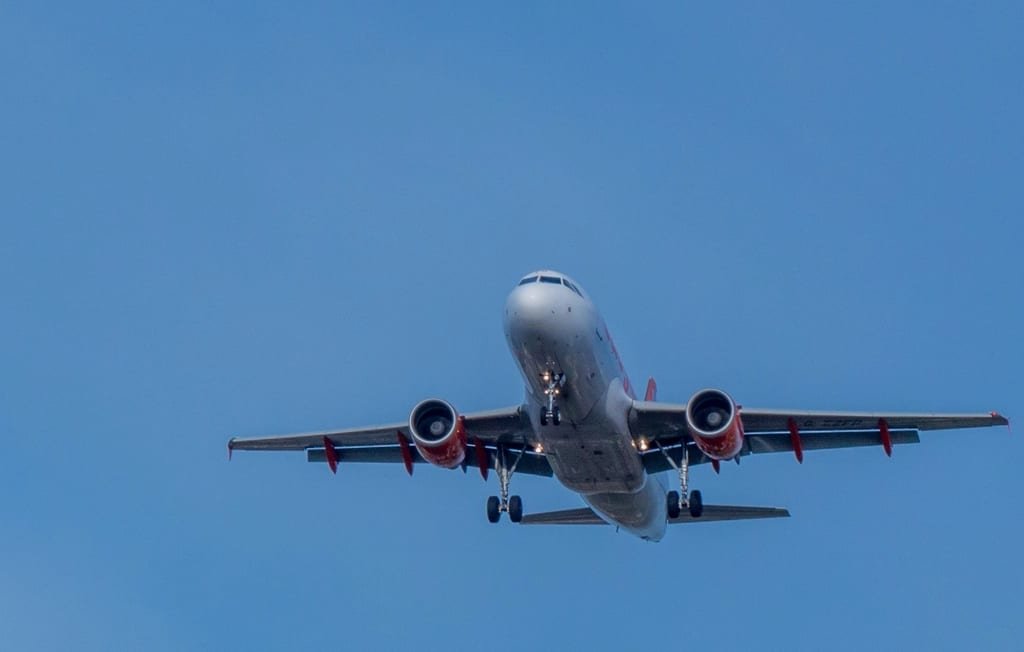
Airports and aeroplanes attract a lot of young people, and India's aviation sector has been growing. But "aviation" is not one job. It includes pilots, cabin crew, airport ground staff, aircraft engineers and managers — each with very different training, costs and eligibility. This guide explains the main aviation courses after 12th in plain language, with honest advice about money and medicals so you can decide carefully.
Aviation courses after 12th at a glance
| Career | Typical training | Class 12 subjects | Cost level | Regulator / key body |
|---|---|---|---|---|
| Commercial pilot (CPL) | Ground classes + flying hours, usually 1.5–2 years or more | Physics and Maths | Very high | DGCA |
| Cabin crew | Short course or direct airline selection | Any stream | Low to moderate | Airlines |
| Airport ground staff | Short course or diploma | Any stream | Low to moderate | Airlines, airport operators |
| Aircraft maintenance engineering (AME) | Multi-year course + DGCA licence exams | Physics, Chemistry, Maths | Moderate to high | DGCA |
| Aviation management | BBA / degree, about 3 years | Any stream | Moderate | Universities |
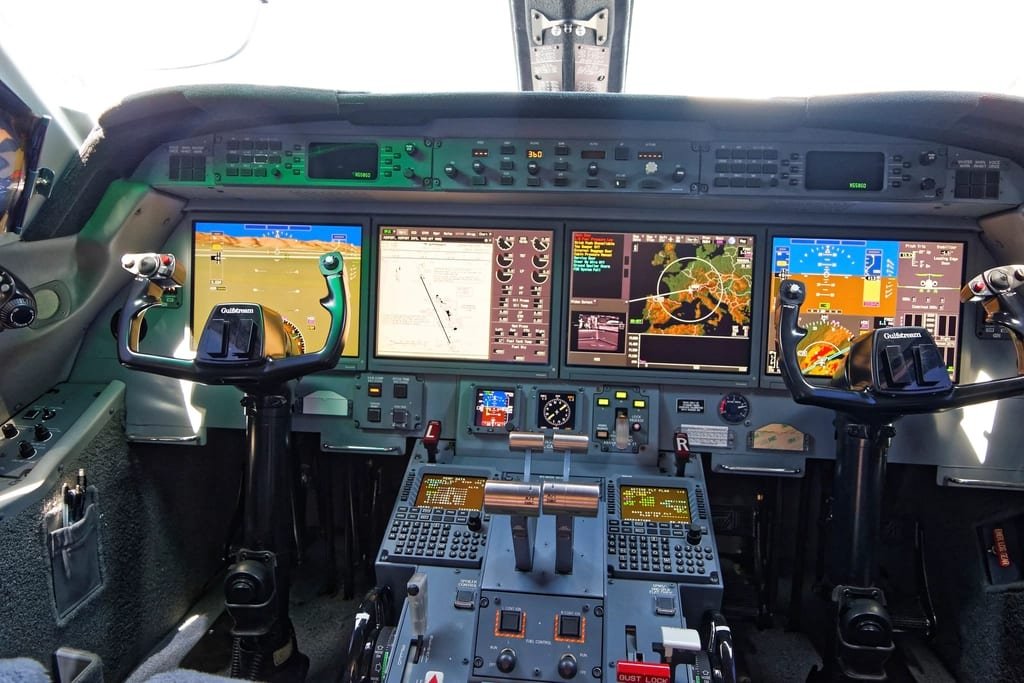 Pilot training is long and expensive, so plan your finances carefully.
Commercial pilot training (CPL)
To fly for an airline, you need a Commercial Pilot Licence (CPL) issued by the Directorate General of Civil Aviation (DGCA). In general terms, you need:
- Class 12 with Physics and Maths (students from other streams can sometimes clear these subjects later through open schooling — check DGCA rules).
- DGCA medicals: a Class 2 medical first, then a Class 1 medical from a DGCA-approved examiner. Do the medical before paying any big fees.
- DGCA ground exams in subjects like air navigation, meteorology, air regulations and technical knowledge.
- Flying hours at a DGCA-approved flying training organisation — roughly 200 hours for a CPL.
After the CPL, most pilots also need a type rating on a specific aircraft before an airline lets them fly. This is another large cost, sometimes covered by the airline in cadet programmes.
Cost realism: read this carefully
Pilot training is one of the most expensive career paths in India. The total cost, including flying hours and type rating, often runs into several tens of lakhs of rupees and can go higher. Delays due to weather, aircraft availability or failed exams can add months and money.
Before you commit:
- Clear your Class 1 medical first.
- Ask any flying school for its DGCA approval, fleet size and how long students actually take to finish.
- Understand that a CPL does not guarantee an airline job; hiring goes up and down.
- If you take a loan, plan repayment carefully. Our guide to education loans for students in India and the education loan calculator can help.
If you want to fly but the cost is out of reach, also consider the Indian Air Force through NDA — see our guide to defence jobs after 12th.
Cabin crew
Cabin crew (flight attendants) are responsible for passenger safety first and service second. Airlines usually hire students who have passed Class 12 in any stream, with their own rules on age, height, fitness, vision and grooming — these differ between airlines, so check each airline's careers page.
You can apply directly to airlines when they hold recruitment drives. Some students take a short cabin crew or hospitality course first to improve their communication, grooming and confidence. A course can help, but no institute can guarantee selection.
Skills that matter: clear spoken English (and Hindi or regional languages), calmness under pressure, teamwork, and a service mindset. Hospitality training also helps here; see our page on the hospitality stream.
Airport ground staff
Ground staff handle check-in, boarding, baggage, ticketing and customer help at airports. Entry is usually after Class 12 in any stream. Short courses and diplomas in airport management or ground handling are common, but airlines and ground-handling companies also hire freshers and train them.
The Airports Authority of India (AAI) manages many airports and occasionally recruits for posts with specific eligibility; most junior AAI posts need a diploma or degree, so read its notifications carefully. Private airport operators and ground-handling firms are other employers.
Freshers in customer-facing airport roles often start around ₹2–3.5 lakh a year, depending on the city and employer.
Aircraft maintenance engineering (AME)
AME is for PCM students who are more interested in how aircraft work than in flying them. Aircraft maintenance engineers inspect, repair and certify aircraft so they are safe to fly.
- You study at a DGCA-approved AME training institute, usually for a few years.
- You then clear DGCA licence modules and gain practical experience to earn an aircraft maintenance licence in a category such as mechanical (B1) or avionics (B2).
- Some students do a B.Tech in Aeronautical or Aerospace Engineering instead, through JEE Main or university tests.
Always confirm that an AME institute is on the DGCA's approved list before taking admission.
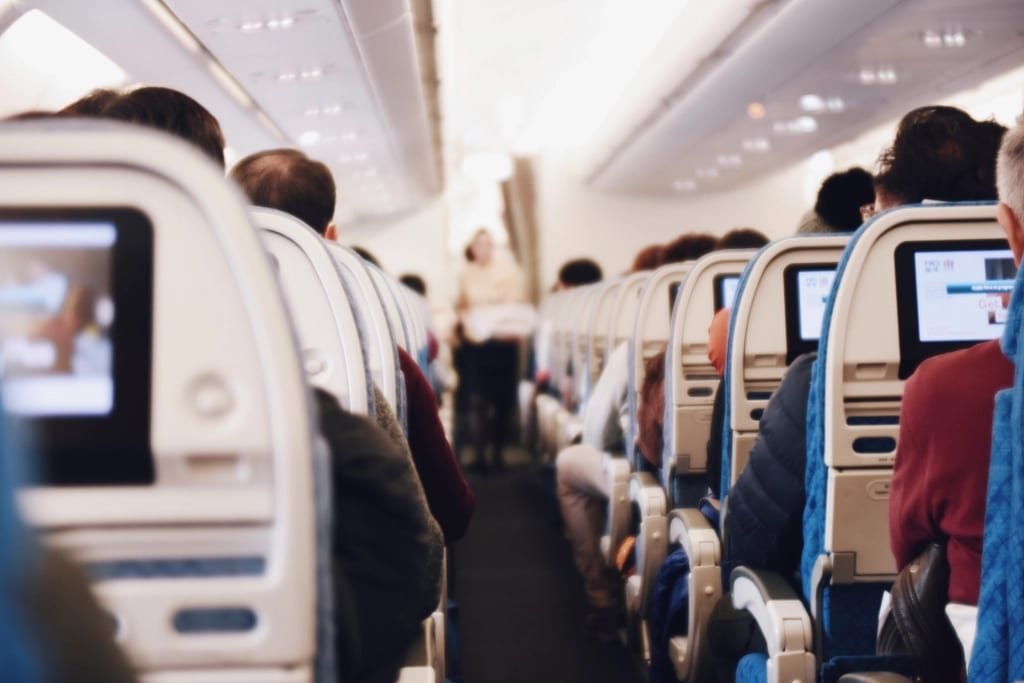 Cabin crew roles need confidence, grooming and good communication.
Aviation management
If you want an office or management role in airlines, airports or travel companies, consider a degree such as a BBA with an aviation or airport management specialisation. Topics include airline operations, airport management, cargo, safety and customer service. Later, an MBA can open more senior roles.
Which of the aviation courses after 12th suits you?
- You love flying, have PCM and your family can manage the cost: CPL, after clearing the medical.
- You love people and travel: cabin crew or ground staff.
- You love machines and have PCM: AME or aeronautical engineering.
- You prefer planning and business: aviation management.
Frequently asked questions
Can I become a pilot without maths in Class 12?
DGCA requires Physics and Maths at the Class 12 level. Students from other streams can sometimes pass these subjects separately through open schooling. Check the current DGCA rules before planning.
What is the minimum qualification for cabin crew?
Most airlines ask for Class 12 in any stream, plus their own physical and grooming standards. Requirements change, so read each airline's official recruitment notice.
Is an aviation course after 12th worth it?
It can be, if you choose a recognised course, check costs carefully and build real skills. Avoid institutes that promise guaranteed jobs.
Is AME a good career?
AME is a skilled, licensed profession with responsibility for flight safety. It needs PCM, patience and years of training, but licensed engineers are valued in the industry.
Next steps
Take the free career quiz to check whether an aviation career fits your interests. Then read the official DGCA website for licence rules, and compare a backup option from our list of career options after 12th.