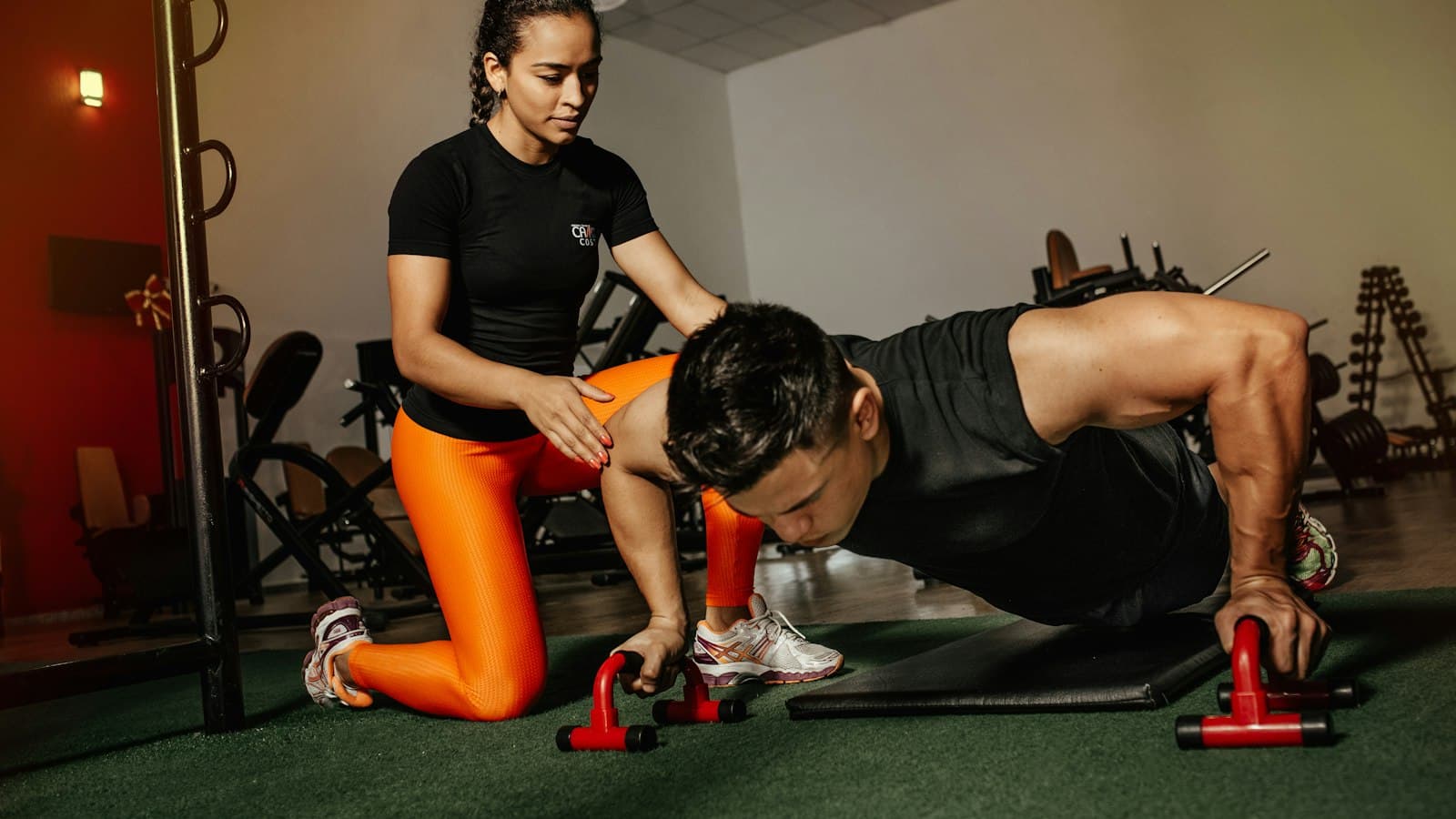
Guide athletes and gym-goers on what to eat for energy, performance, fat loss and recovery.
How to become a
Scroll to watch the route unfold — from school to your first job.
Read food labels, play sports and notice how food affects energy.
Biology and Chemistry help a lot for nutrition degrees.
Nutrition degrees use merit or CUET; certificates admit directly.
Certificate (3–6 months) for fitness clients; degree for teams and academies.
Grow with gyms, academies, apps or your own online coaching.
Indicative annual figures; actual pay varies by city, employer and skills.
Yearly pay for this job in other countries, converted to rupees. Tap a country to see how people get there.
Sports nutrition coaches help athletes, gym members and active people plan their food for better performance, fat loss, muscle gain and recovery. They work in gyms, sports academies, fitness apps, wellness companies and as online coaches. Indian food habits — vegetarian diets, festivals, regional cuisines — make practical local advice very valuable.
This suits curious, science-minded people who enjoy both food and fitness. Be honest about the limits of your training: only qualified dietitians (usually B.Sc/M.Sc Nutrition & Dietetics with clinical training) should handle medical diets for diseases. A sports nutrition certificate is a good start for fitness clients, and a degree in nutrition or sports science opens bigger roles with teams and academies.
No. A dietitian has a nutrition degree with clinical training and can manage diets for diseases. A nutrition coach guides healthy and active people.

