

Professional Courses After 12th: CA, CS, CMA, Law and More
Professional courses train you for a specific, recognised career. Compare CA, CS, CMA, law, architecture, medicine, hotel management and more, with entry exams and governing bodies.

A general degree gives you broad knowledge. A professional course trains you for one clear career, often with a licence or membership at the end that lets you practise. That is why professional courses after 12th are so popular with students who already know what they want to become, and with parents who want a defined career path. This guide compares the main options, who conducts them, how long they take and who they suit.
What makes a course "professional"?
In simple terms, a professional course:
- prepares you for a specific job, such as accountant, lawyer, architect or doctor;
- is usually regulated by a professional body or council;
- includes practical training, internship or articleship;
- often leads to a membership or registration that you need to practise.
Because they are tightly structured, professional courses can demand more discipline than a regular BA, B.Com or B.Sc.
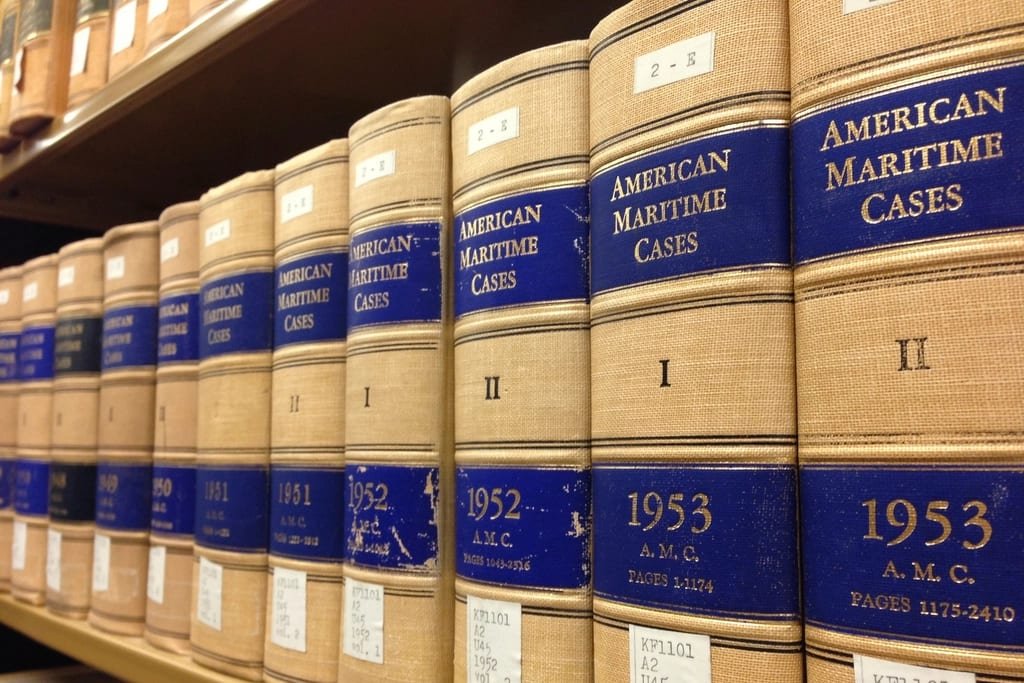 Law needs lots of reading — enjoy it before you choose it.
Professional courses after 12th: comparison table
| Course | Duration (approx.) | Entry after 12th | Regulating or conducting body | Stream |
|---|---|---|---|---|
| Chartered Accountancy (CA) | About 4.5–5 years | CA Foundation | ICAI | Any (commerce helps) |
| Company Secretary (CS) | About 3–4 years | CSEET | ICSI | Any |
| Cost and Management Accountant (CMA) | About 3–4 years | CMA Foundation | ICMAI | Any |
| Integrated law (BA LLB, BBA LLB) | 5 years | CLAT, other law tests | Bar Council of India | Any |
| Architecture (B.Arch) | 5 years | NATA, JEE Main Paper 2 | Council of Architecture | PCM |
| Medicine (MBBS) | About 5.5 years | NEET-UG | National Medical Commission | PCB |
| Nursing (B.Sc Nursing) | 4 years | State or university tests, sometimes NEET | Indian Nursing Council | PCB (usually) |
| Hotel management (BHM / B.Sc HHA) | 3–4 years | NCHM JEE, university tests | NCHMCT, universities | Any |
| Actuarial science | Several years, exam-based | ACET | Institute of Actuaries of India | Maths helps |
Durations depend on how quickly you clear each level. Always check the latest rules with the official body.
Commerce and finance professional courses
Chartered Accountancy (CA)
CA is the best-known professional course after 12th for commerce students, although students from any stream can join. You register with the Institute of Chartered Accountants of India, clear the Foundation exam, then the Intermediate level, complete practical training (articleship), and finally clear the CA Final. CAs work in audit, taxation, corporate finance and their own practice. Read our CA Foundation exam page for an overview of the first step.
The course is respected because it is tough. Pass rates are low at every level, so be ready for steady, long-term study.
Company Secretary (CS)
A Company Secretary handles legal compliance, board meetings and corporate governance in companies. The course is run by the Institute of Company Secretaries of India. After 12th, you start with the CS Executive Entrance Test (CSEET), then move to the Executive and Professional levels, along with practical training. CS suits students who like law, writing and company affairs.
Cost and Management Accountant (CMA)
CMAs specialise in costing, budgeting and management accounting, which are useful in manufacturing and large companies. The course is conducted by the Institute of Cost Accountants of India and has Foundation, Intermediate and Final levels.
Many students pursue a B.Com alongside CA, CS or CMA, which gives them a degree as a backup.
Actuarial science
Actuaries use maths and statistics to measure risk for insurance companies, pension funds and banks. In India, the Institute of Actuaries of India runs the entrance test (ACET) and a series of professional exams. It is a niche but respected path for students who are very strong in maths.
Law: five-year integrated LLB
After 12th, you can join a five-year integrated programme such as BA LLB or BBA LLB. Students from any stream can apply. The national law universities admit through CLAT, conducted by the Consortium of NLUs, while many other universities have their own tests. Lawyers can work in courts, law firms, companies, government and the judiciary.
Architecture
B.Arch is a five-year professional degree. It usually requires Class 12 with Physics and Maths, and admission is through NATA or JEE Main Paper 2. Architects need registration with the Council of Architecture to practise. The course mixes creative design with technical knowledge of buildings, materials and planning.
 Professional courses mean years of self-study alongside classes.
Medicine and nursing
MBBS is the main professional route to becoming a doctor. Admission across India is through NEET-UG, and the course includes a compulsory internship. Most doctors also study for a postgraduate degree.
B.Sc Nursing is a four-year professional degree regulated by the Indian Nursing Council. Admission rules differ by state and college. Nursing has steady demand in India and abroad.
Both are long, demanding paths, so make sure your interest in healthcare is genuine.
Hotel management
A Bachelor of Hotel Management or B.Sc in Hospitality and Hotel Administration trains you to work in hotels, restaurants, airlines, cruise lines and tourism. Students from any stream can apply. The Institutes of Hotel Management admit through NCHM JEE, conducted by the National Council for Hotel Management. Read more on our BHM course page.
How to choose between professional courses
- Match your strengths. CA and CMA need comfort with numbers; CS and law need reading and writing; architecture needs design sense; medicine needs biology and patience.
- Look at the time commitment. Some courses take five years or more, and exam-based courses can take longer if you need repeat attempts.
- Keep a degree backup. For CA, CS and CMA, a regular or distance degree alongside is a sensible safety net.
- Plan the cost. Exam-based courses like CA are relatively affordable; private MBBS or law seats can be expensive.
- Talk to people in the field before you decide.
Frequently asked questions
Which professional course is best after 12th?
There is no single best course. CA suits number-lovers, law suits good readers and speakers, architecture suits creative PCM students and MBBS suits those committed to medicine. Choose by interest and ability.
Can arts students do professional courses?
Yes. CA, CS, CMA, law and hotel management are open to students from any stream. Architecture and MBBS need science subjects.
Can I do CA and a degree together?
Yes. Many students do a B.Com or another degree alongside CA, often through regular or distance mode.
Which professional course takes the least time?
CS and CMA can be completed in roughly three to four years if you clear each level on the first attempt, but timelines vary.
Next steps
Take the free career quiz to see which professions suit your interests. Then visit the official website of your chosen body, read its latest registration rules, and make a simple study plan for the first exam.